
Biorefinery, material recycling, energy and carbon (IP 10)
Impulse project 10 in the LaNDER³ joint project looks at the processes upstream and downstream of the actual production of natural fiber-reinforced plastics (NFRP) - the extraction of the raw material natural fiber as well as the recycling and energetic conversion of non-recyclable waste.
Natural fiber-reinforced plastics are becoming increasingly attractive. They have a high potential for the energy- and resource-efficient production of sustainable and competitive components.
Objective: The overall objective of the project is to support an expansion of the areas of application of NFRPs by adapting processes and technologies that must take place before and after the actual production of NFRP products.
To implement the objective in accordance with the strategy of the LaNDER³ project, the project pursues the following main research areas:
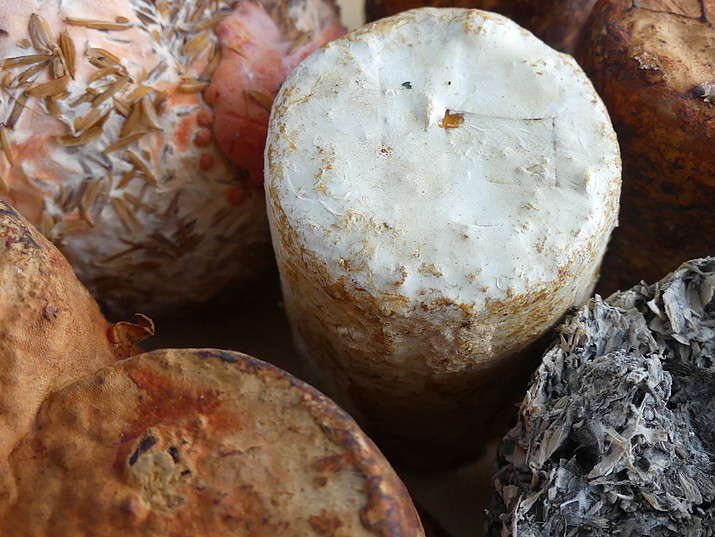
- Research focus 1: Biorefinery (Prof. F. Hentschel)
The focus in the extraction of high-quality natural fibers from regionally available plant raw materials is on the development of resource-efficient, economically and ecologically viable fiber digestion processes. These processes are developed in close cooperation with local industrial companies, research institutions and agricultural associations. The basic concept of this part of fiber production is the principle of a biorefinery. The complex consideration of the primary costs of the fiber digestion processes is based on the achievable quality levels of the fibers. The organic and inorganic residues produced in the process are made usable by connected processes or plants and fed to further applications. In this way, not only can the carbon be bound in the long term and kept in the cycle, but it is also possible to utilize the entire plant in an economically more favorable way than with conventional processes.
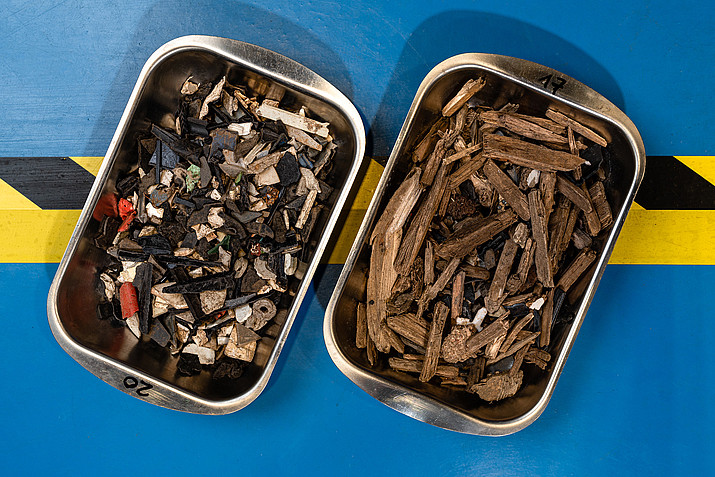
- Research focus 2: material recycling (Prof. M. Sturm) - start in January 2024
The material recycling required after the processing of natural fibers into LFPs is to be developed through sustainable concepts as well as lean technologies and processes for material identification, sorting and recycling of NFRP-based plastics . The focus is on smart recycling that is precisely tailored to the specific production process.
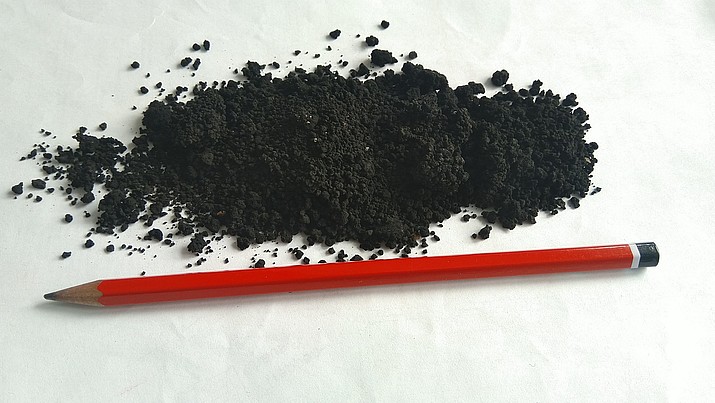
- Research focus 3: Energy and Carbon (Prof. T. Zschunke)
Despite an efficient recycling process, materially non-recyclable waste materials will not be completely avoided. Within the scope of the project, the topic of energy and carbon is treated under the aspect of local waste treatment with the simultaneous creation of a decentralized energy supply on the basis of materially non-recyclable waste materials. A positive climate impact is reinforced by embedding the use of hydrogen, produced from renewable energies, and a non-fossil carbon production.
This includes the further development and testing of compact plants for the energetic after-use of energy-rich but, from the point of view of conventional energy technology, so far less suitable fuels (such as catalytic methanization from impulse project 4). In this way, concepts are being advanced that allow energy in waste materials that is technically bound in material form to be used as a substitute for fossil energy. Furthermore, carbon bound in residual and waste materials is to be tapped to achieve "negative emissions" or at least to replace fossil carbon for renewed material use.
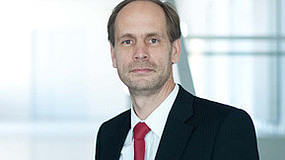
Project management total
1. Obergeschoss
Obergeschoss
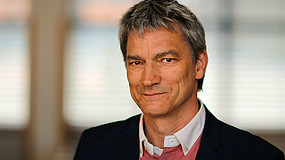
Project management Research focus 1: Biorefinery
1. Obergeschoss
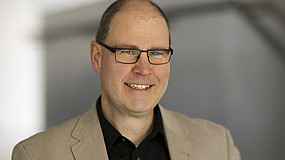
Project management Research focus 2: material recycling
Erdgeschoss
Project Management Research focus 3: Energy and Carbon
1. Obergeschoss
Obergeschoss